86-13805250552
会社について
2005年に設立

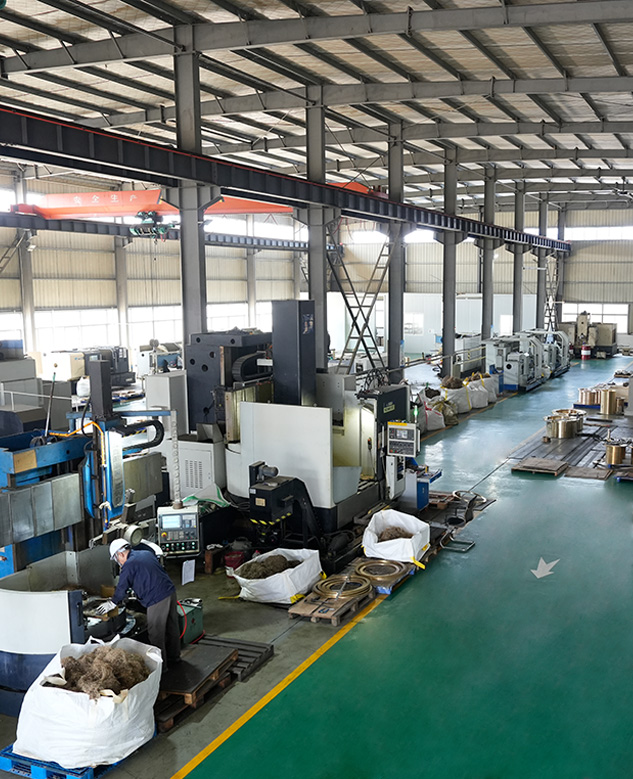
揚州一豊銅業有限公司は揚州市に位置し、敷地面積は3万平方メートルを有します。従業員は80名以上で、そのうち20名が技術スタッフ、7名が中級職位の専門技術者です。

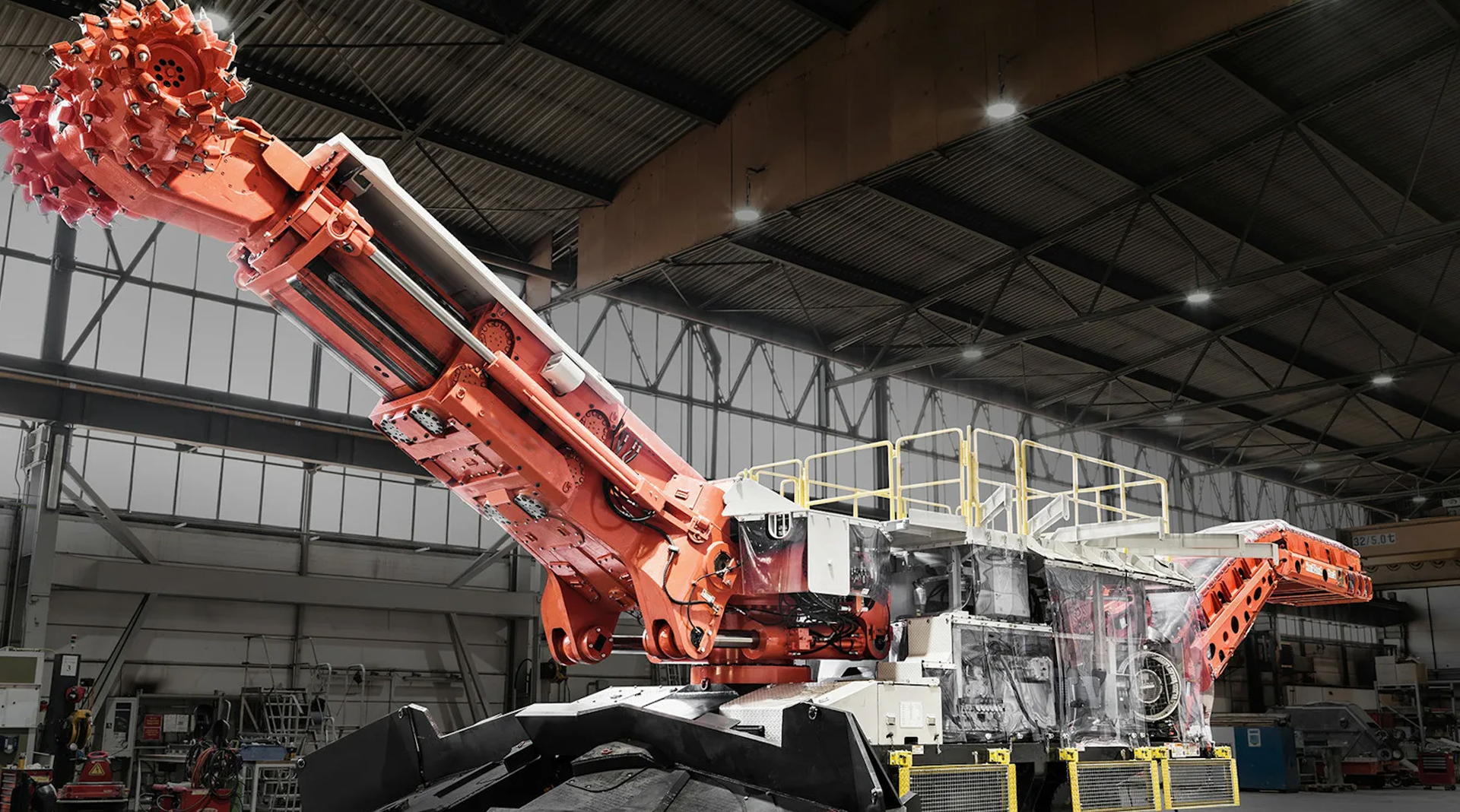
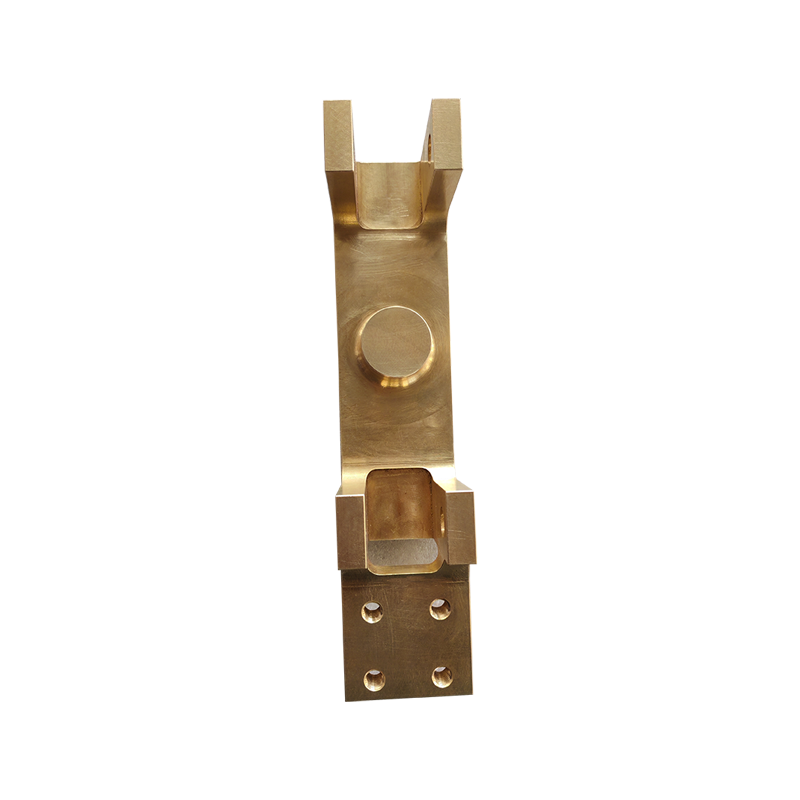
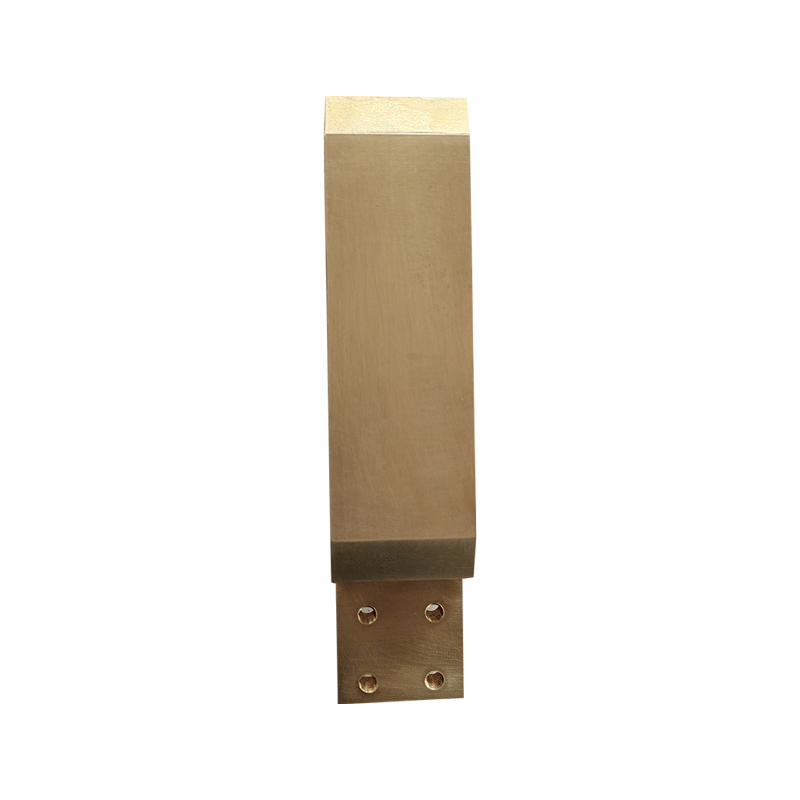
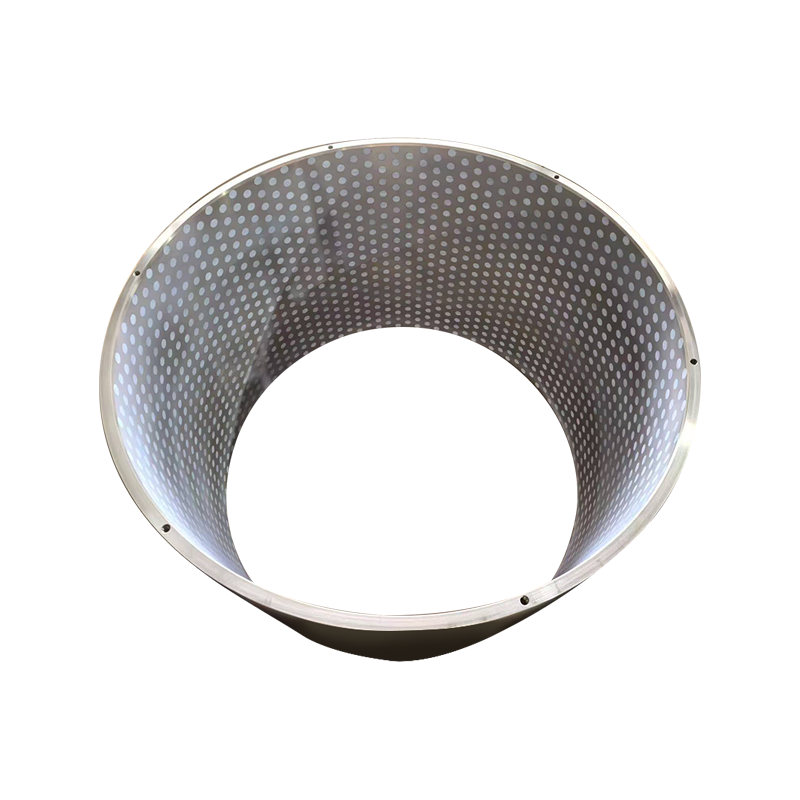
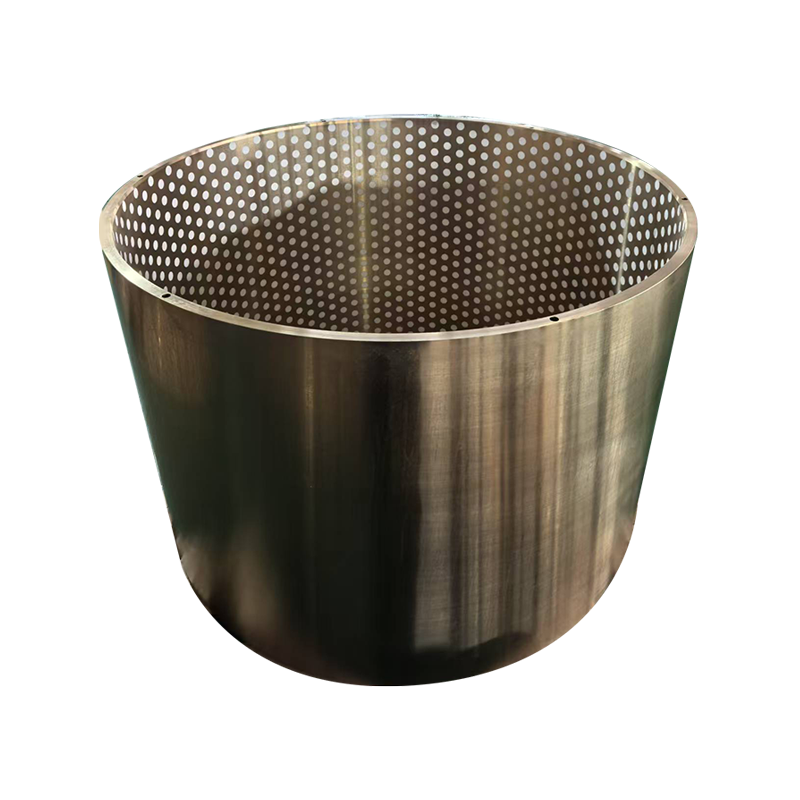
当社は高機能銅合金製品の製造を専門としており、鉱山機械、船舶用推進・シール装置、金属加工設備、石油・ガス関連機器、海洋掘削プラットフォーム、閘門リフティング装置など、幅広い分野に対応しています。

製品はフォーチュン500企業をはじめとする世界有数の産業グループに多数採用されています。また、技術革新と知的財産の強化にも注力しており、西南交通大学と連携して「産学連携研究拠点」を設立。先端技術の研究開発体制を構築しています。

もっと知りたい方はこちら。
技術力と生産能力
船舶・重工業向け銅合金製品の専門工場
  • 0 +
    界の経験
  • 0 +
    従業員数
  • 0
    工場面積
  • 0 トン
    年間生産量
おすすめ商品
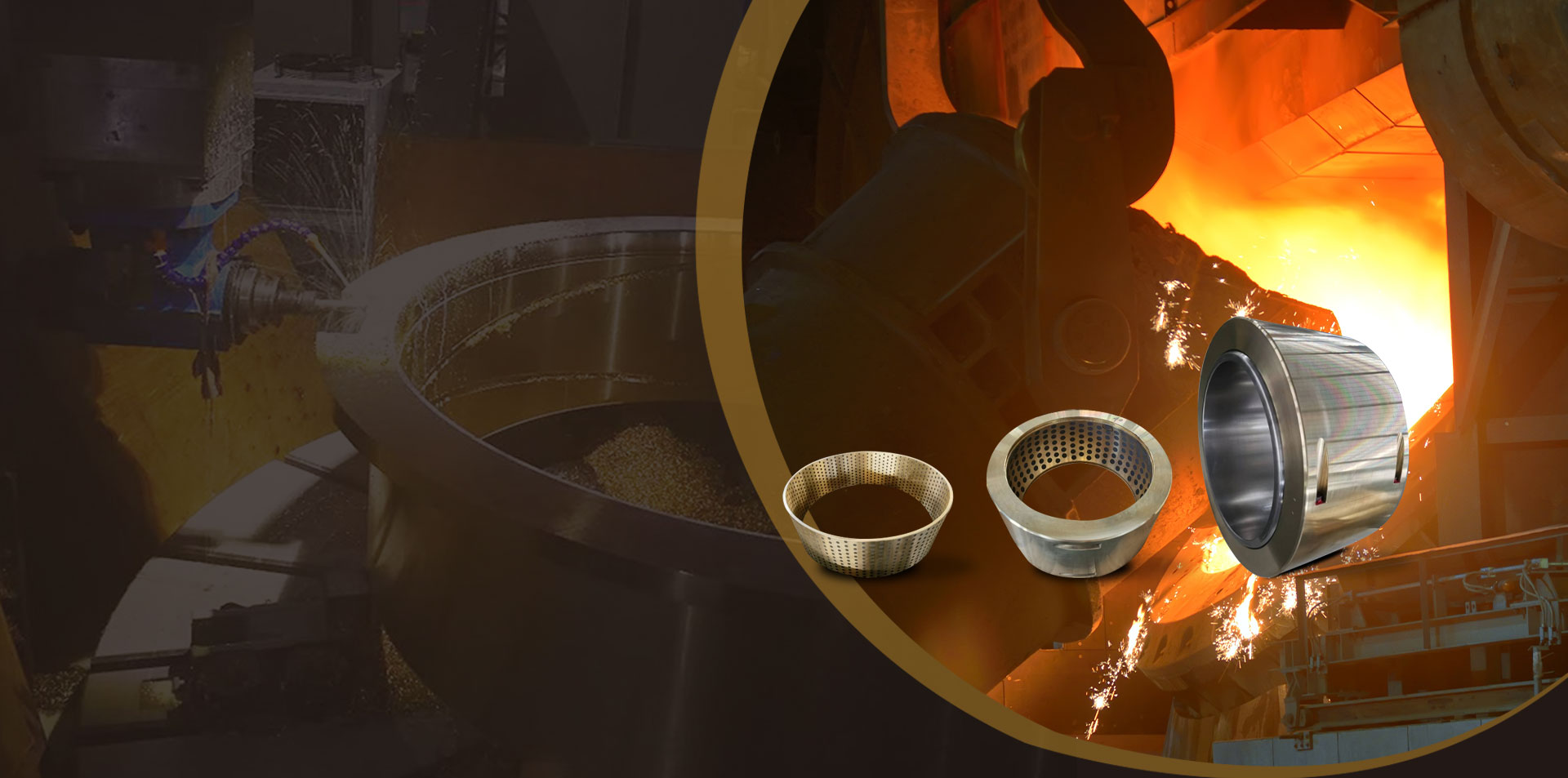
信頼と品質の銅合金部品製造。

  • マイニング機器用のブルンズブッシング
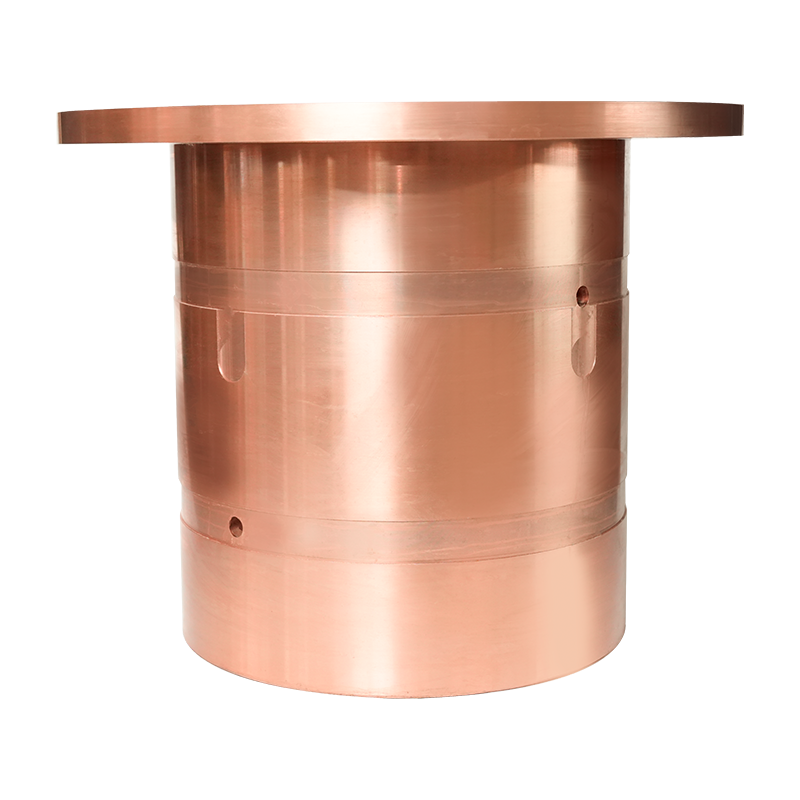
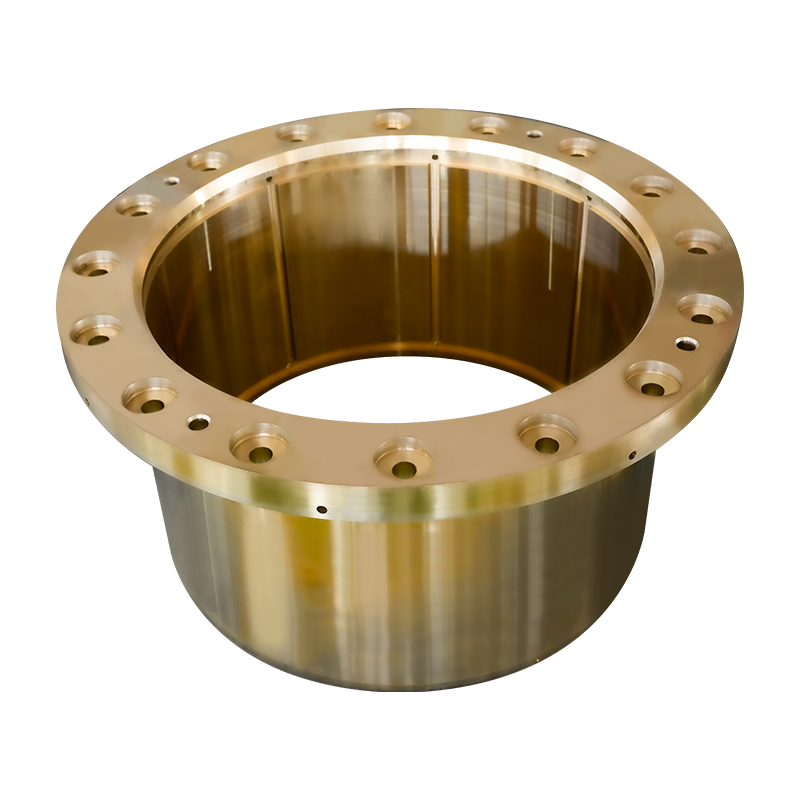
    マイニング機器用のティンブロンズブッシングは、高純度の銅を基本材料として使用し、適切な量のスズやその他の高品質の合金要素を追加することで洗練されています。耐摩耗性、耐食性、自己潤滑特性があります。これは、マイニング機械の高負荷および高速動作条件のために特別に設計されており、摩擦損失を大幅に減ら...
    もっと詳しく
  • エンジニアリング機械用のブロンズブッシング
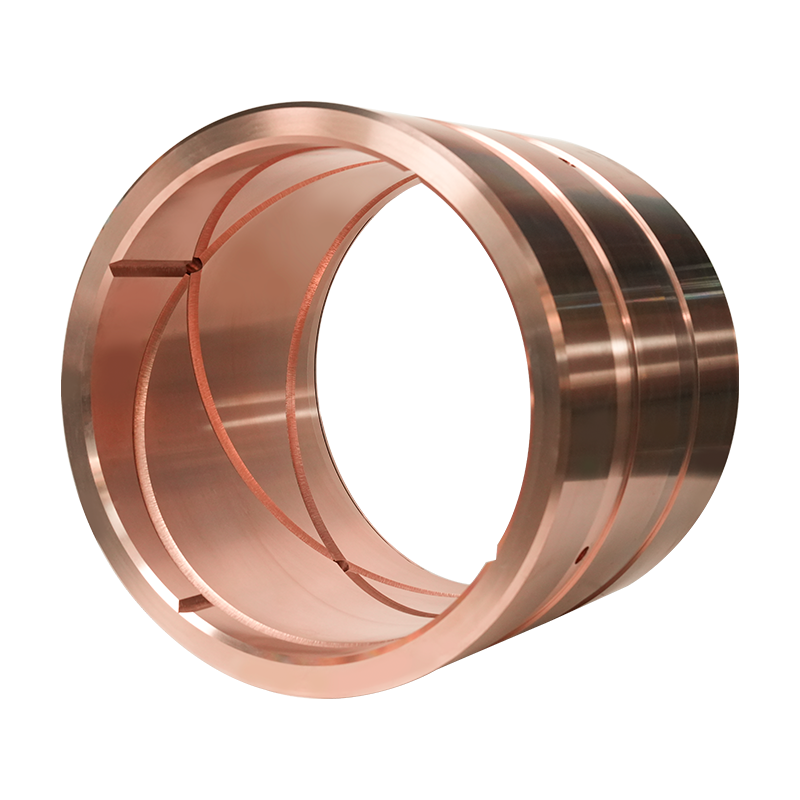
    エンジニアリング機械用のティンブロンズブッシングは、スズ、亜鉛、鉛などの合金要素を備えた高品質の高純度銅基板で作られています。耐摩耗性、耐食性、自己潤滑特性があります。エンジニアリング機械の高負荷、高インパクト、および頻繁な摩擦条件のために設計されているため、機器の摩耗を大幅に削減し、主要なコ...
    もっと詳しく
  • アンカーウインチベアリングとブリキのブロンズブッシング
    アンカーウインチベアリングとブリキのブロンズブッシングは、重荷、高速、およびハイウィアの条件に合わせて設計されています。スズ、リン、およびその他の強化要素の高純度銅ベースの融合を使用して、剛性サポートと柔軟な摩耗抵抗の両方を備えた高性能コンポーネントを作成します。そのユニークな材料構造は、機器...
    もっと詳しく
  • マイニング機器の真鍮ブッシング
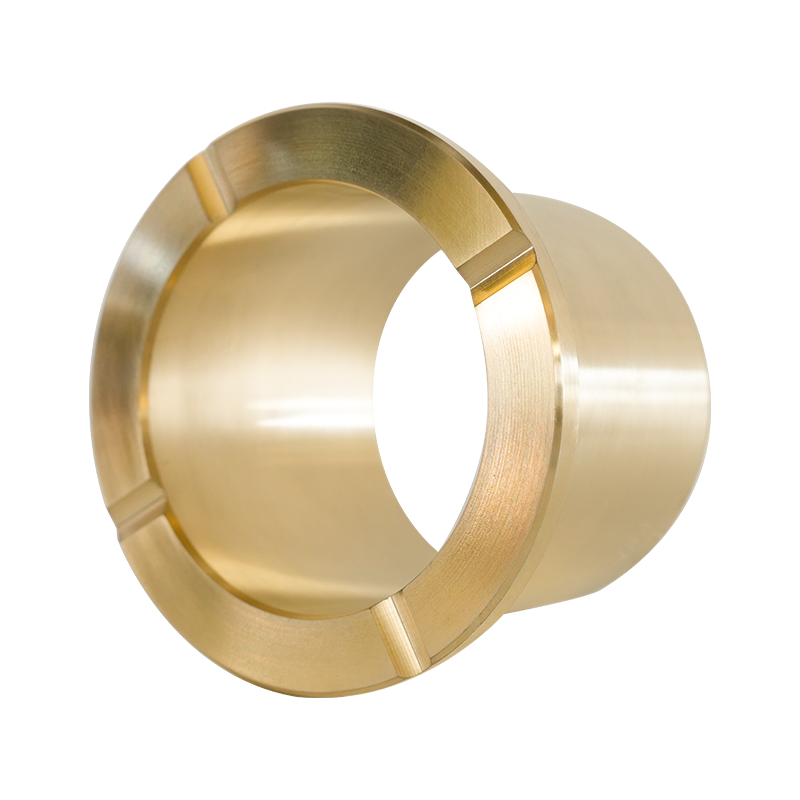
    マイニング機器ブラスブッシングは、採掘機器の高負荷および高装備条件向けに特別に設計されています。高強度、耐摩耗性、圧力耐性を持つ高品質の真鍮材料で作られています。これは、クラッシャー、コンベア、ミネラル加工装置の重要な部分のベアリングや袖などの低速から中速の重荷操作シナリオに適しています。
    もっと詳しく
  • エンジニアリング機械の真鍮ブッシング
    エンジニアリング機械の真鍮製ブッシングは、エンジニアリング機械の高負荷および高装いの労働条件向けに特別に設計されています。高強度、耐摩耗性、圧力耐性を備えた高品質の真鍮合金で作られています。掘削機、ローダー、ブルドーザーなどの重機のベアリング、袖、ヒンジ付きの部分に適しており、摩擦損失を効果的...
    もっと詳しく
  • 冶金機器ブラスブッシング
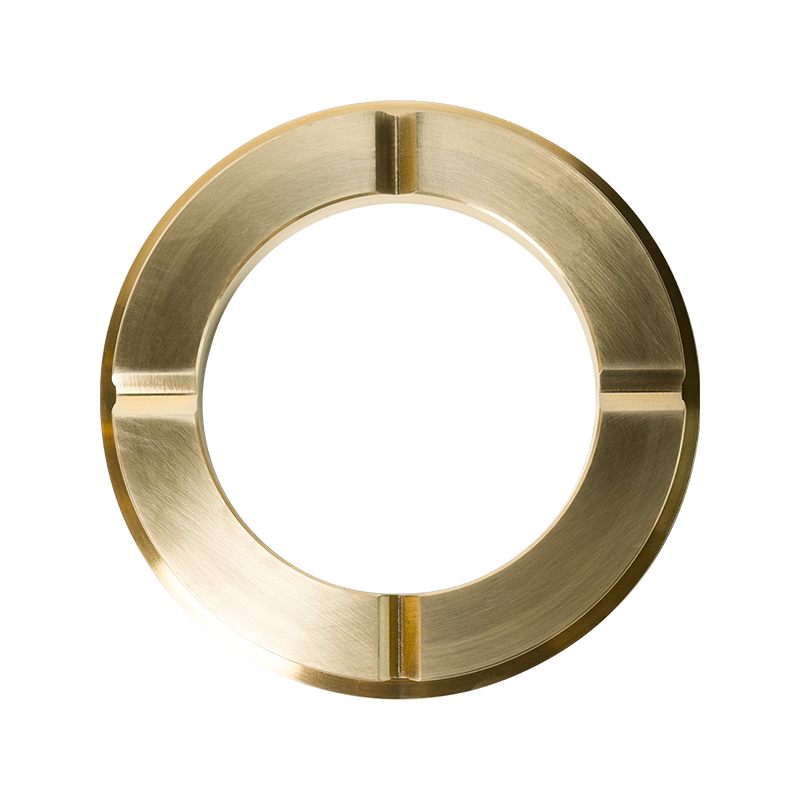
    冶金機器の真鍮製ブッシングは、冶金産業の労働条件のために設計された高性能の真鍮製のブッシングです。特別な銅合金で精密にキャストされており、超高耐摩耗性、高温耐性、耐衝撃性があります。ベアリング、ガイドスリーブ、連続鋳造マシン、ローリングミル、爆発炉などの冶金機器のトランスミッション部分に適して...
    もっと詳しく
  • 船尾シャフトシーリングデバイスブラスブッシング
    船尾シャフトシーリングデバイスブラスブッシングは、船の船尾シャフトシーリングシステム向けに設計された高性能の真鍮摩耗耐性銅ブッシングです。正確な機械加工を備えた海軍の真鍮(Cuzn39SN1)またはアルミニウム青銅(Cual9Fe4)で作られています。海水腐食抵抗、高い耐摩耗性、圧縮強度があり...
    もっと詳しく
  • ラダー送信システム用のアルミニウムブロンズブッシング
    ラダー送信システム用のアルミニウムブロンズブッシングは、ラダー送信システム向けに調整されています。これは、高品質の銅に基づいており、アルミニウム、鉄、その他の合金元素で添加され、精密技術を通じて作られています。強度、耐摩耗性、耐食性、疲労抵抗があります。これは、高負荷、高速、高温などの過酷な労...
    もっと詳しく
  • 船の油圧シリンダーとラダー角のフィードバックのためのアルミニウムブロンズブッシング
    船の油圧シリンダーとラダー角度フィードバック製品用のアルミニウムブロンズブッシングは、船の油圧シリンダーとラダー角度フィードバックシステム用に設計されています。耐摩耗性、耐食性、咬合抵抗、高負荷容量を備えた高強度のアルミニウムブロンズ合金で作られています。これにより、油圧透過および舵角フィード...
    もっと詳しく
  • マイニング機器の真鍮プレート
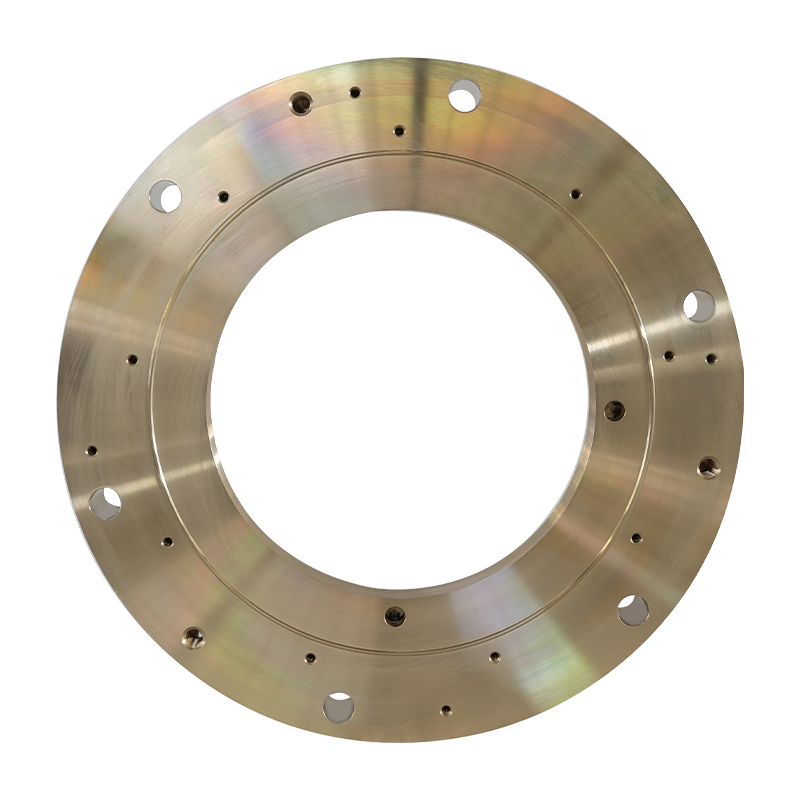
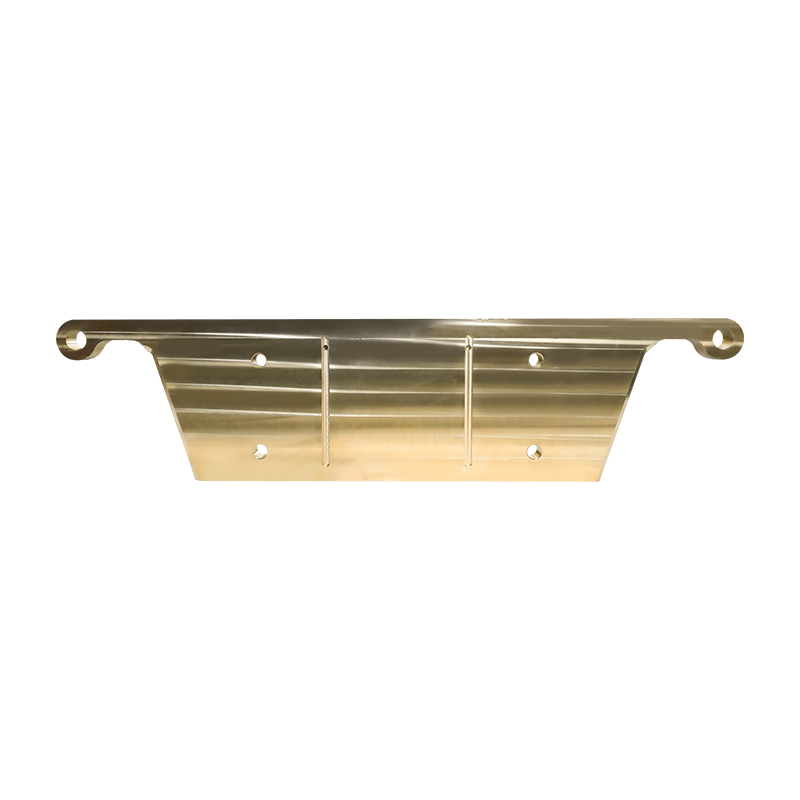
    マイニング装置の真鍮プレートは、耐摩耗性、圧縮強度、耐食性を備えた高品質の高強度の真鍮材料で作られており、高負荷および高吸収条件の採掘装置のために特別に設計されています。鉱山機械の主要なコンポーネントの製造に適しています。ブッシング、ギア、油圧バルブブロック、ガイドプレート、クラッシャーの摩耗...
    もっと詳しく
  • マイニング装置ティンブロンズ合金プレート
    マイニング装置の錫青銅合金プレートは、高純度の銅に基づいており、適切な量のスズとその他の合金成分が追加されており、マイニング機械の過酷な労働条件向けに設計されています。この材料は、耐摩耗性、耐食性、高い機械的強度があり、重い負荷、高周波摩擦、過酷な環境に耐えることができ、鉱業機器の重要な部分を...
    もっと詳しく
  • エンジニアリング機械ティンブロンズ合金プレート
    エンジニアリング機械ティンブロンズ合金プレートは、高純度の電解銅と高品質のTIN要素で作られており、高負荷および高装備条件のエンジニアリング機械のために特別に設計されています。この材料には、機械的特性、耐摩耗性、腐食抵抗があり、あらゆる種類の重機の伝達、圧力をかける、摩擦部分に適しているため、...
    もっと詳しく
  • 冶金機器ティンブロンズ合金プレート
    冶金機器ティンブロンズ合金プレートは、溶融と鋳造の正確な比率で精製された電解銅と高純度スズの元素で作られており、冶金産業の労働条件のために特別に開発されています。この製品は、高温、高圧、強い摩耗、腐食性の環境での性能を示しており、継続的な鋳造、ローリング、製錬などの重要なプロセスのための理想的...
    もっと詳しく
  • エンジニアリング機械の真鍮プレート
    エンジニアリング機械の真鍮プレートは、高強度の耐摩耗性の真鍮合金で作られており、工学機械の厳しい労働条件向けに設計されています。負荷をかける容量、耐摩耗性、耐食性があります。これは、長期的な高強度操作下で機器の安定性と耐久性を確保するために、さまざまな高負荷伝送部品と耐摩耗性構造部品の製造に適...
    もっと詳しく
  • 冶金機器の真鍮プレート
    冶金機器の真鍮プレートは、冶金産業の労働条件のために特別に開発された高性能ブラス合金プレートです。高温抵抗、耐摩耗性、機械的強度があり、冶金機器の主要なコンポーネントに理想的な選択肢です。
    もっと詳しく
  • マイニング機器アルミニウムブロンズプレート
    マイニング装置アルミニウムブロンズプレートは、高純度の銅をアルミニウム、鉄、その他の合金元素で慎重に製錬することによって作られた高性能のアルミニウム青銅銅板です。鉱業機器の厳しい労働条件のために特別に設計されています。それは超高強度、耐摩耗性、耐食性、疲労抵抗を持っています。長い間、高い負荷、...
    もっと詳しく
  • エンジニアリング機械アルミニウムブロンズプレート
    エンジニアリング機械アルミニウムブロンズプレートは、マトリックスとアルミニウム、鉄、ニッケル、およびその他の合金要素として、高純度の銅で最適化された高性能耐摩耗性材料です。エンジニアリング機械の高負荷と高装備条件のために特別に設計されています。機械的強度、耐食性、疲労抵抗があります。掘削機、ブ...
    もっと詳しく
  • 冶金機器アルミニウム青銅板
    冶金機器アルミニウム青銅色のプレートは、マトリックスとして高純度の電解銅で作られた高性能耐摩耗性材料であり、科学的にアルミニウム、鉄、ニッケル、マンガン、およびその他の合金元素を科学的に一致させることによって鋳造されています。高温、高負荷、冶金産業の強い腐食などの労働条件向けに特別に設計されて...
    もっと詳しく
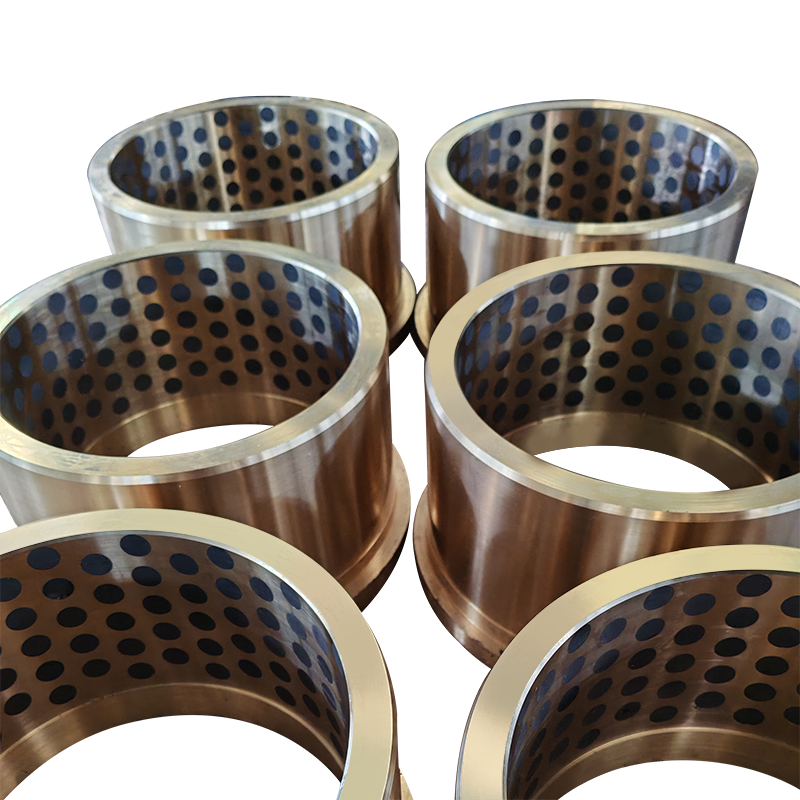
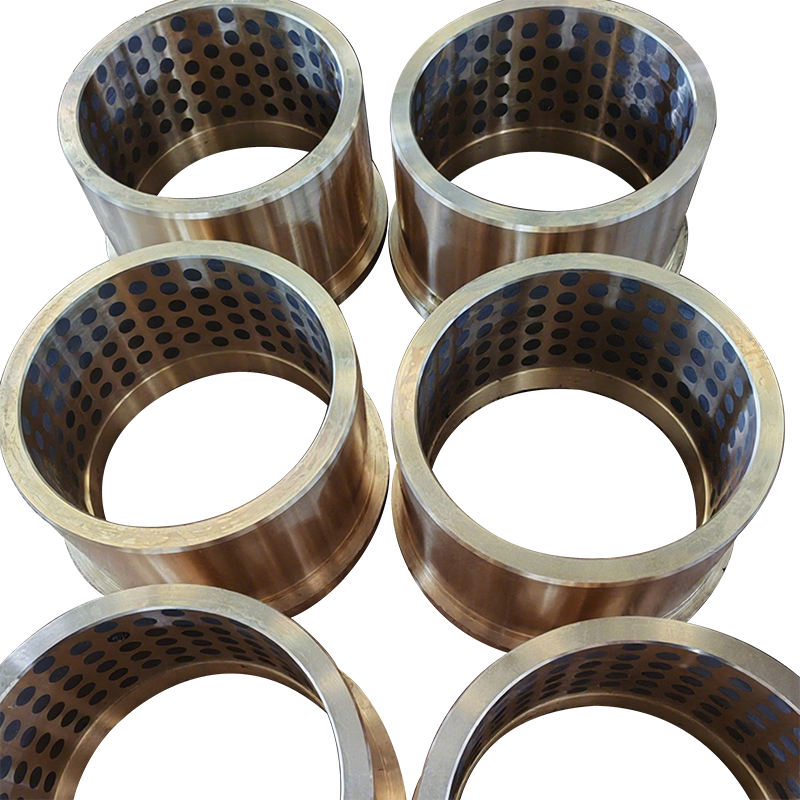
  • マイニング機器用の自己潤滑真鍮製のブッシング
    マイニング機器用の自己潤滑真鍮製のブッシングは、高品質の真鍮材料で作られており、労働条件向けに設計されています。高強度、耐摩耗性、耐食性、自己潤滑特性を統合します。そのユニークな内部に埋め込まれた潤滑カラム構造は、外部オイル供給なしで長期的な安定した動作を実現し、メンテナンスコストを大幅に削減...
    もっと詳しく
  • エンジニアリング機械用の自己潤滑真鍮製ブッシング
    エンジニアリング機械用の自己潤滑真鍮製のブッシングは、高品質の高強度の真鍮材料で作られており、埋め込まれた固体潤滑技術と組み合わされて、外部油供給なしで長期の安定した操作を実現できます。高速、低速、ほこりっぽくて過酷な工学機械の作業条件のために設計され、耐摩耗性、耐耐動性、耐食性を提供し、メン...
    もっと詳しく
  • 冶金機器の自己潤滑真鍮製のブッシング
    冶金機器の自己潤滑真鍮製のブッシングは、冶金産業の労働条件のために特別に開発された「工業用グレードの高温自己潤滑溶液」です。標準的な特別な銅合金式を採用して、冶金機器の伝統的なベアリングの温度制限と寿命のボトルネックを突破します。これは、連続鋳造機、ローリング機器、製錬機械などの高温および重荷...
    もっと詳しく
  • 特別な機器用の自己潤滑真鍮製のブッシング
    特別な機器用の自己潤滑真鍮製のブッシングは、特別な産業機器のニーズのために開発された高性能の耐摩耗性コンポーネントです。高品質の真鍮合金と高度な自己潤滑技術を使用しており、高負荷、低速、温度、および過酷な環境での長期的な安定した動作に適しています。この製品は、機器の労働条件に応じてカスタマイズ...
    もっと詳しく
  • マイニング機器用のアルミニウムブロンズ自己潤滑ブッシング
    マイニング機器用のアルミニウムブロンズ自己潤滑ブッシングは、鉱山の労働条件に特化したニッケルアルミニウムブロンズの自己潤滑ブッシングです。高強度合金を使用し、埋め込まれた固体潤滑技術を統合して、重荷、低速、ほこり、腐食性の媒体環境でのマイニング機械のベアリング摩耗問題を完全に解決します。この製...
    もっと詳しく
  • エンジニアリング機械用のアルミニウムブロンズ自己潤滑ブッシング
    エンジニアリング機械用のアルミニウム青銅の自己潤滑ブッシングは、銅ベースの合金をコアとして採用し、科学的な割合を介してアルミニウム、鉄、ニッケル、およびその他の元素を追加します。特別な固体潤滑カラムは、スリーブ内に埋め込まれており、外部オイル供給なしで長期的な自己潤滑を得ることができます。労働...
    もっと詳しく
  • 冶金機器用のアルミニウムブロンズ自己潤滑ブッシング
    冶金機器用のアルミニウム青銅の自己潤滑ブッシングは、パフォーマンスを最適化するためにアルミニウム、鉄、ニッケル、その他の要素が追加された高強度の銅ベースの合金で作られています。耐摩耗性、高温耐性、耐衝撃性があります。この製品には、外部オイル供給なしで長期的な自己潤滑を達成できる固体潤滑材料が組...
    もっと詳しく
  • 特別な機器用のアルミニウムブロンズ自己潤滑ブッシング
    特別な機器用のアルミニウムブロンズ自己潤滑ブッシングは、高強度の銅ベースの合金で精密に作られており、特別な労働条件向けに設計されています。この製品は、アルミニウムブロンズ合金の機械的特性と組み込みの固体潤滑技術を組み合わせて、外部潤滑なしで長時間安定して動作し、重く、高温、腐食性、腐食性、利用...
    もっと詳しく
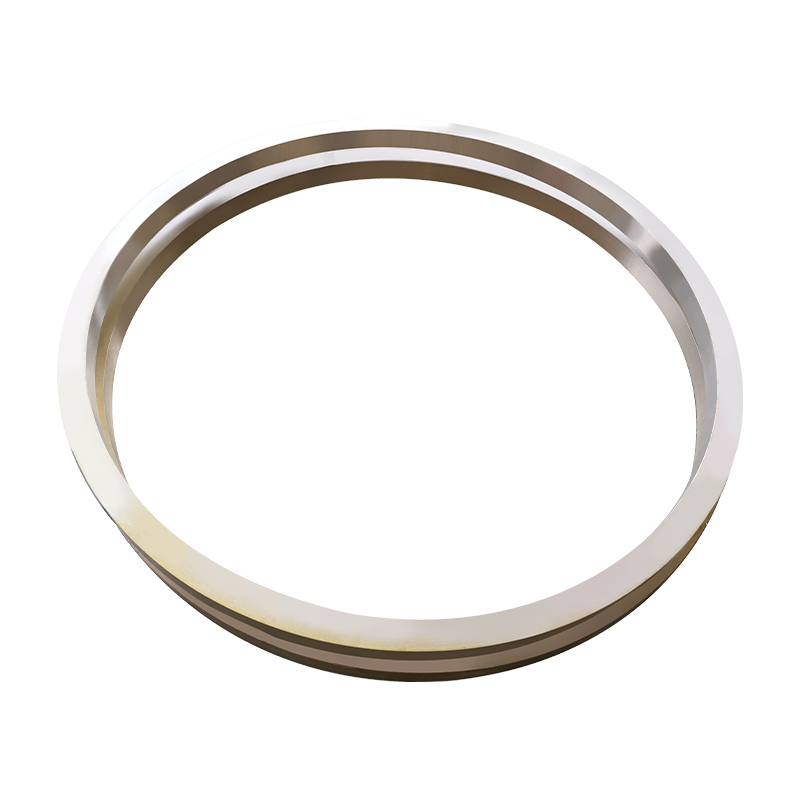
  • マリン銅合金シーリングリングマリンシーリングリング
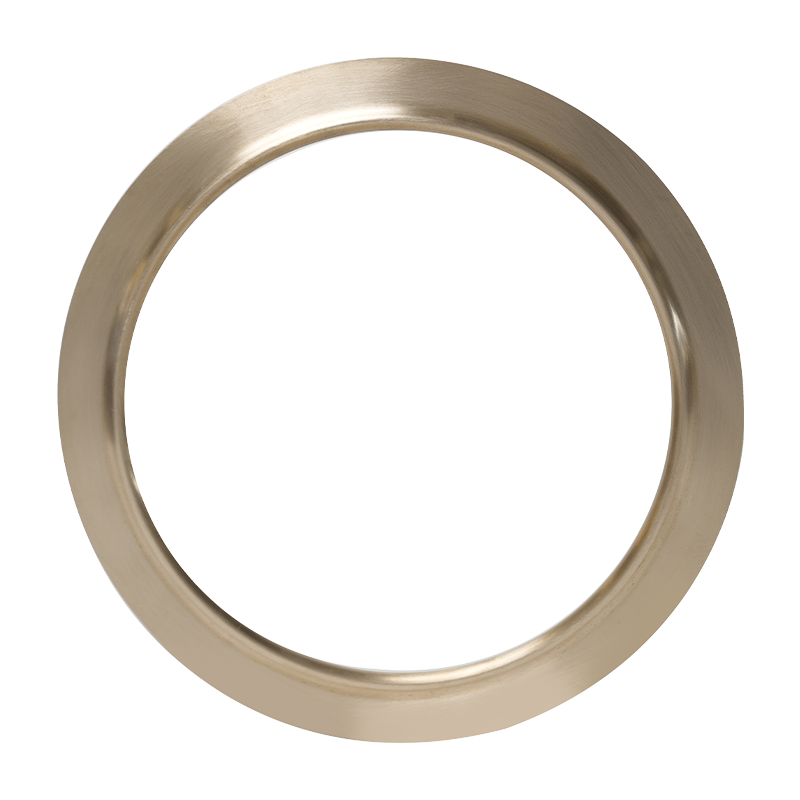
    マリン銅合金シーリングリング海洋シーリングリングは、船尾シャフト(プロペラシャフト)と船尾チューブの間の潤滑環境を保護するために設計された船推進システムの重要なシーリング成分です。高強度の銅合金材料で作られたこの製品には、耐摩耗性、耐食性、シーリング性能があり、海水侵入や潤滑油の漏れを効果的に...
    もっと詳しく
  • 推進装置シールマリン銅合金シーリングリング
    推進装置シールマリン銅合金シーリングリングは、高品質の銅合金材料で作られており、船推進装置と過酷な労働条件向けに特別に設計されています。耐摩耗性、耐食性、圧力抵抗があり、高圧、高温、高速動作環境の下での長期シーリング要件を満たすことができます。
    もっと詳しく
  • 風力発電用の銅合金ワームギア
    銅合金ワームギア:風力発電用の銅合金ワームギアは、ヨーシステムと風力タービンのピッチシステム向けに特別に設計されています。正確な方向、効率的な風力発電、風力タービンの安全な動作を確保するためのコア伝送コンポーネントです。
    もっと詳しく
  • エンジニアリング機械タービン用の銅合金ワームギア
    エンジニアリング機械用の銅合金ワームタービンは、エンジニアリング機械(ターボチャージャー、油圧駆動システム、頑丈なステアリングメカニズム、エンジニアリング掘削リグパワーヘッドなど)用に特別に設計されており、高衝突、高テンペア、粉塵環境で信頼できる電力伝送と正確なモーションコントロールを提供しま...
    もっと詳しく
  • ギアホッビングマシンと仕上げマシン用の銅合金ワームギア
    ギアホッビングマシンと仕上げマシン用の銅合金ワームギアは、高精度、高効率、長寿命の厳格な要件を備えた工業用ギア加工機(特にギアホッビングマシンと仕上げマシン)向けに設計および製造された主要なトランスミッションコンポーネントです。回転運動を正確に送信および減速させ、工作機械のコア伝送チェーンの重...
    もっと詳しく
なぜ私たちを選ぶのか
一豊銅業
原材料の鋳造から完成品までを一貫して手がけるワンストップメーカーです。今後も、お客様に高品質な製品をご提供するため、新製品の研究開発や、新素材・新たな用途の開拓に引き続き取り組んでまいります。
  • カスタマイズ
    ソリューション
  • 高水準
    品質管理
  • 生産設備
  • 検査機器

ハイグレードな銅合金製品とその材料の研究開発・製造に力を注いでいます。

もっと詳しく>
船の推進およびシーリングデバイス
Yifeng製品は、船の推進装置およびシーリングデバイスに適しています。設置されたシャフトスリーブと対応するシーリングリングのシーリングデバイスでは、シャフトスリーブは、ここでは異なる材料で作られた少なくとも2つの同心円スリーブで構成されています。
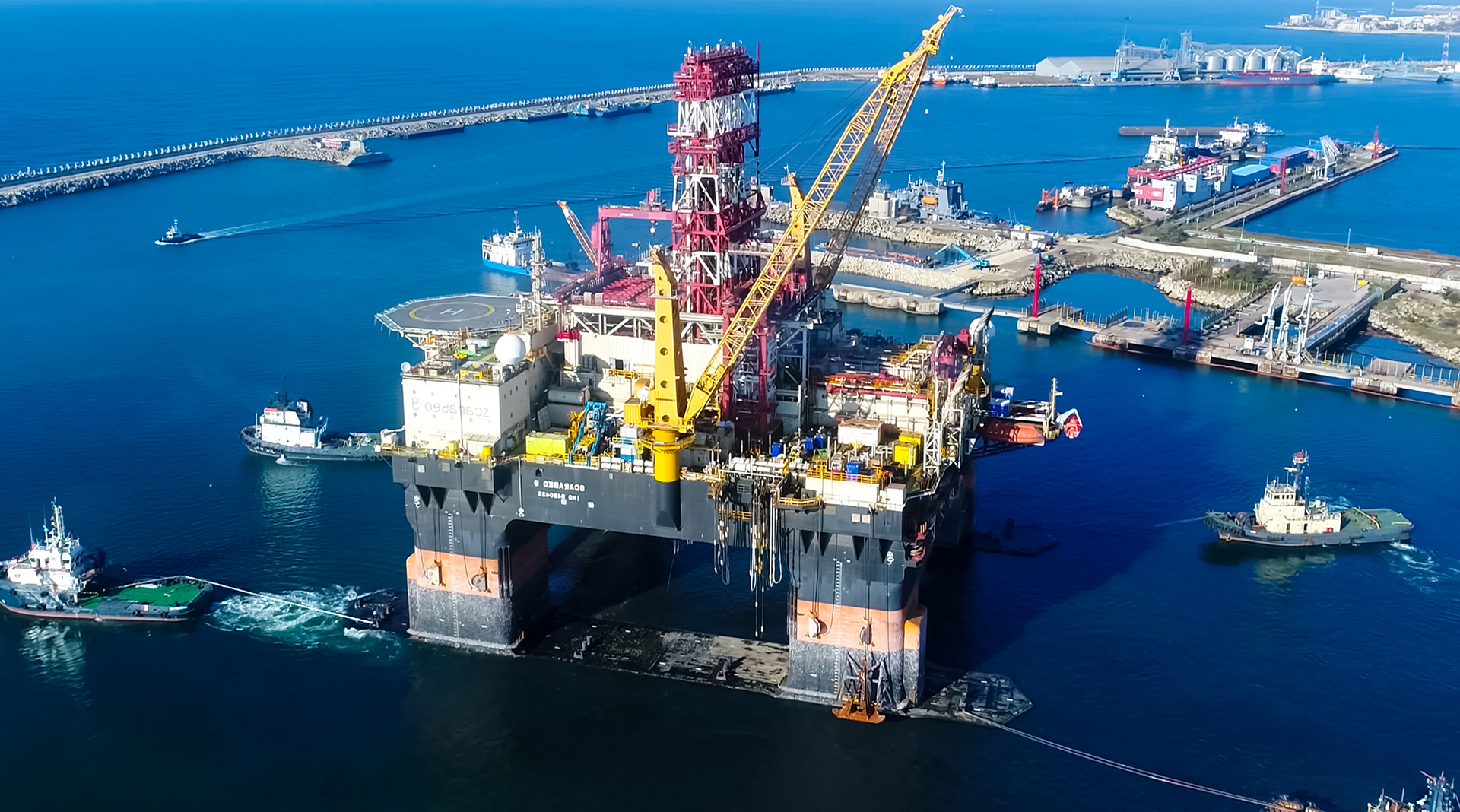
海洋掘削および船ロックリフティング機器
Yifeng製品は、海洋掘削やシップロックリフティング機器の銅の袖やベアリングに適しています。
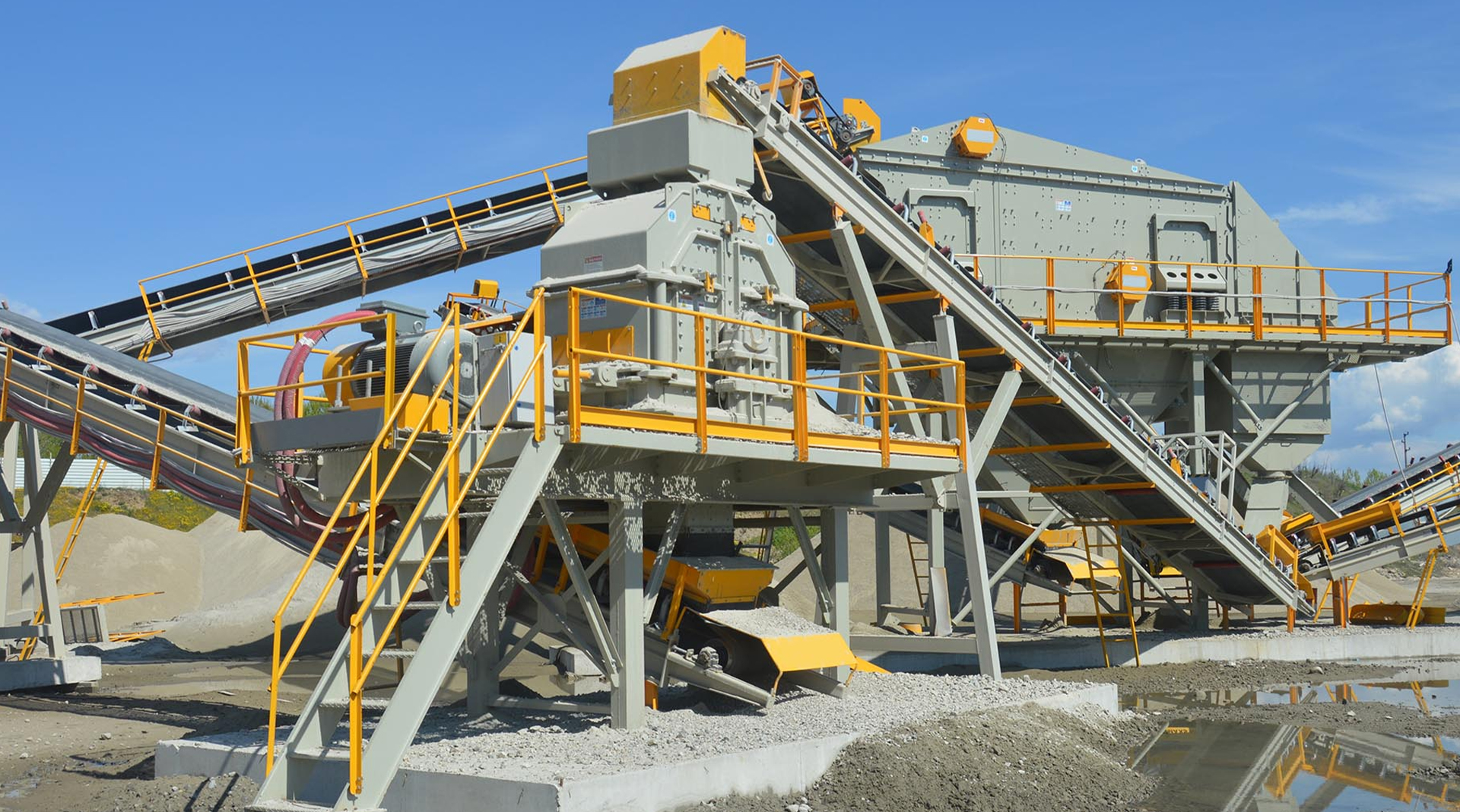
マイニング機器
Yifeng製品は、メインシャフトベアリング、アイドラーベアリング、惑星ギアベアリング、リア出力シャフトベアリング、クラッチリリースベアリングなど、マイニング機器のさまざまなフィールドに適しています。
建設機械
Yifeng製品は、トンネリング機械、エンジニアリング機器、耐摩耗性、および圧力抵抗に適しています。
石油とガス、冶金機器
Yifeng製品は、高温や腐食に耐性があり、給油やメンテナンスを必要としないシャフトスリーブと銅の袖を備えた冶金機に適しています。
  • 船の推進およびシーリングデバイス

    船の推進およびシーリングデバイス

  • 海洋掘削および船ロックリフティング機器

    海洋掘削および船ロックリフティング機器

  • マイニング機器

    マイニング機器

  • 建設機械

    建設機械

  • 石油とガス、冶金機器

    石油とガス、冶金機器

ニュース & イベント
最新ニュースや展示会情報をお届けします。
  • Why is High-Strength Brass Essential for Modern Mining Operations?

    In the heavy-duty world of mineral extraction and processing, the reliability of machinery isn’t just a matter of convenience—it is the difference between a profitable operation and a costly shutdown. As mines push deeper and production targets climb higher, engineers and procurement managers are constantly asking: "What material can actually withstand these extreme pressures?" The answer increasingly points toward specialized alloys. Specifically, the Mining Equipment Brass Plate has emerged as a cornerstone component in the construction and maintenance of high-performance mining machinery. This article explores why this specific material is gaining traction, how it solves common mechanical failures, and why its unique properties make it indispensable for the industry. The Durability Dilemma in Mining Mining environments are arguably the most unforgiving settings for industrial equipment. Machines are subjected to a constant barrage of abrasive dust, corrosive moisture, and immense physical loads. Traditional steel or standard bronze often falls short when exposed to the sheer friction and compressive forces found in crushers, haul trucks, and drilling rigs. When a critical part fails, the "downward spiral" begins: Production Stops: Every minute a conveyor or crusher is idle, thousands of dollars in revenue are lost. Labor Costs Spike: Emergency repairs often require specialized teams and overtime pay. Safety Risks: Frequent maintenance increases the exposure of workers to heavy machinery hazards. To combat these issues, the industry has turned to high-strength brass plates. These aren't your standard decorative brass sheets; they are engineered powerhouses designed to act as the "muscles and joints" of massive mechanical systems. What Makes Mining Equipment Brass Plate Different? The Mining Equipment Brass Plate is manufactured using a high-quality, high-strength brass alloy. But what does "high-strength" actually mean in a practical sense? It refers to a specific chemical composition that balances copper and zinc with reinforcing elements like manganese, aluminum, or iron. 1. Superior Wear Resistance In mining, friction is the enemy. Whether it is a gear turning or a guide plate sliding, surfaces rub against each other constantly. This brass plate is designed with a low coefficient of friction and high hardness. This means that even under constant movement, the material sheds very little mass over time, significantly extending the service life of the component. 2. Exceptional Compressive Strength Mining machinery handles weights measured in tons. A bearing bushing or a hydraulic block must support these loads without deforming or cracking. High-strength brass offers the structural integrity of steel but with the "self-lubricating" and anti-seizing properties of a copper-based alloy. It can take the "squeeze" of a heavy crusher without losing its shape. 3. Corrosion Resistance Mines are often damp, salty, or acidic environments. Standard ferrous metals (like many types of steel) are prone to rust and oxidation, which can seize up moving parts. Brass is naturally resistant to corrosion, ensuring that even if a machine sits idle for a week in a damp tunnel, the parts made from Mining Equipment Brass Plate will remain functional and free of rust. Critical Applications: Where the Material Meets the Dirt The versatility of the Mining Equipment Brass Plate allows it to be machined into various critical components. If you look inside a high-output mine, you will find this material working in several "hot zones": Bearing Bushings Bearings are the heart of any rotating machine. In mining, these bearings are often large and subject to slow, heavy rotations. Brass bushings made from high-strength plates provide a smooth surface for shafts to turn on, reducing heat buildup and preventing the shaft from "galling" or welding itself to the housing. Crusher Wear-Resistant Liners Crushers break down massive rocks into manageable ore. The internal walls of these machines take a beating. Using brass-based wear plates in specific pressure points helps absorb the impact and provides a replaceable surface that protects the main frame of the multi-million dollar machine. Hydraulic Valve Blocks Modern mining relies on hydraulics for steering, lifting, and breaking. Hydraulic valve blocks must be machined with extreme precision. The stability of high-strength brass ensures that these blocks do not warp under the high-pressure pulses of hydraulic fluid, maintaining the safety and responsiveness of the equipment. Gears and Guide Plates In large-scale shovels and excavators, guide plates ensure that moving arms stay in alignment. The natural lubricity of brass allows these plates to slide against steel tracks with minimal wear on either surface. Why "High-Quality" Matters More Than Ever In an era of global supply chains, it is tempting to opt for the cheapest material available. However, in the mining sector, "cheap" brass can be a dangerous gamble. Low-quality alloys often contain impurities or inconsistent grain structures that can lead to "brittle failure." Imagine a bearing bushing in a deep-shaft hoist. If that bushing cracks due to poor material quality, it doesn't just stop production—it creates a catastrophic safety risk. This is why the industry emphasizes "high-quality" high-strength brass. The manufacturing process involves strict temperature control and precise alloying to ensure that every square inch of the plate has the same mechanical properties. Impact on Maintenance Cycles and ROI The ultimate question for any mining operation is the Return on Investment (ROI). While a Mining Equipment Brass Plate might have a higher upfront cost than standard materials, the long-term savings are undeniable. Extended Intervals: Instead of replacing a part every three months, high-strength brass might extend that interval to twelve months. Reduced Secondary Damage: Because brass is often "softer" than the steel shafts it protects, it acts as a sacrificial layer. It is much cheaper to replace a brass bushing than to replace a custom-forged steel drive shaft. Predictability: High-quality materials fail gradually rather than suddenly. This allows maintenance teams to plan repairs during scheduled downtime rather than reacting to an emergency mid-shift. Looking to the Future: Sustainability in Mining Interestingly, the shift toward brass plates also aligns with modern sustainability goals. Copper and brass are among the most recyclable materials on earth. When a Mining Equipment Brass Plate finally reaches the end of its long life, it can be melted down and recycled into a new component with almost no loss in quality. This reduces the environmental footprint of the mine’s supply chain. Furthermore, by reducing the frequency of part replacements, mines generate less industrial waste and consume less energy that would otherwise be used in the manufacturing and shipping of frequent replacement parts. Conclusion: The Backbone of Hard Rock Mining The mining industry is evolving. Digitalization and automation are making mines smarter, but the physical reality of the work remains the same: it is a battle against friction, pressure, and the elements. The Mining Equipment Brass Plate represents the perfect marriage of traditional metallurgy and modern engineering. By providing a material that can withstand the high-load and high-wear conditions of the world’s toughest job sites, it ensures that the "gears of industry" keep turning—literally and figuratively. Whether it is in the form of a gear, a guide plate, or a crusher liner, this high-strength material is proving that sometimes, the best way to handle the future of mining is to rely on the proven, rugged reliability of high-quality brass.
    続きを読む
  • Why Are Mining Equipment Brass Bushings the Secret to Reducing Downtime?

    In the heavy-duty world of mineral extraction and processing, the smallest components often carry the heaviest burdens. From the massive jaws of a stone crusher to the relentless pull of a mile-long conveyor belt, mining operations rely on a delicate balance of power and precision. Lately, industry experts and maintenance managers have been asking one central question: How can we extend the life of our heavy machinery without skyrocketing our maintenance budgets? The answer frequently leads back to a critical, albeit humble, component: the Mining Equipment Brass Bushing. While it might not have the visual flash of a giant excavator or the high-tech appeal of automated drilling software, this specific hardware is currently revolutionizing how mining sites manage wear and tear. The Invisible Backbone of the Mine Site To understand why people are talking about brass bushings, we first have to understand the environment they live in. A mine is a hostile place for machinery. It is filled with abrasive dust, extreme pressure, and constant vibration. In these conditions, moving parts don't just "wear out"—they can fail catastrophically if not protected. A bushing acts as a sacrificial interface between two moving parts. Instead of having two expensive steel shafts grinding against each other, a brass bushing is placed between them. It takes the brunt of the friction, absorbs the heat, and ensures that the "big" parts of the machine remain undamaged. Why Brass? You might wonder why we use brass instead of something like steel or plastic. The "Mining Equipment Brass Bushing" is engineered specifically for high-load and high-wear conditions. Brass offers a unique combination of physical properties: Low Friction: It naturally slides better against steel than steel does against itself. Heat Dissipation: It moves heat away from the joint quickly, preventing seizing. High Strength: Unlike softer metals, high-quality brass can withstand thousands of pounds of pressure without deforming. Addressing the Common Questions As mining companies look to optimize their supply chains, several frequently asked questions have emerged regarding these components. Let’s break down the most common inquiries that are driving the current market trends. 1. Can These Bushings Handle "Shock Loads"? One of the most frequent questions from crusher operators is whether a brass bushing can survive a "shock load"—that moment when a massive, unbreakable rock enters the crusher and sends a jolt through the entire system. Because these bushings are made of high-strength brass materials, they possess a degree of resilience that brittle materials lack. They act as a cushion. While a ceramic or hardened steel sleeve might crack under a sudden impact, a brass bushing has the structural integrity to absorb the energy and keep the shaft spinning. 2. How Do They Improve Equipment Life? Maintenance leads often ask, "Will switching to a premium brass bushing actually save me money over a year?" The answer lies in stability. When a bushing starts to wear unevenly, it creates "play" or "slop" in the machinery. This vibration then travels down the line, damaging seals, gears, and motors. By using a bushing specifically designed for pressure resistance, the equipment stays in perfect alignment for longer. This doesn't just save the bushing; it saves the entire machine. Applications Across the Mining Lifecycle The versatility of the Mining Equipment Brass Bushing is why it is found in almost every stage of the mining process. Here is where these components are making the biggest impact today: Crushers and Pulverizers In the crushing stage, equipment operates at low to medium speeds but under immense weight. The pressure resistance of high-quality brass is essential here. Whether it’s a jaw crusher, a cone crusher, or a gyratory crusher, the bushings ensure that the eccentric shafts can rotate smoothly under the weight of several tons of ore. Conveyor Systems Conveyors are the veins of a mine, moving material 24/7. The rollers and pulleys in these systems are prone to friction loss. By utilizing brass sleeves, companies can reduce the energy required to move the belts, leading to lower electricity costs and fewer belt snaps caused by "frozen" rollers. Mineral Processing Equipment Once the ore is crushed, it goes into vibrating screens and flotation cells. These machines operate in wet, often chemically harsh environments. The corrosion resistance of brass makes it an ideal choice for these scenarios, ensuring that the bushings don't rust or seize up when exposed to moisture. The Economic Impact of High-Quality Materials In the current global economy, the "cheapest" part is rarely the most cost-effective. Mining companies are moving away from generic hardware in favor of specialized components. Feature Impact on Operations Long-term Benefit High Strength Supports heavier ore loads Increases daily throughput Wear Resistance Fewer replacement intervals Reduced labor costs Pressure Resistance Maintains alignment Prevents catastrophic engine/motor failure Reduced Friction Lower heat generation Saves on lubricant and energy Reducing Friction Loss Friction is the silent thief of the mining industry. It consumes fuel, generates heat that destroys lubricants, and thins out metal components. The "specially designed" nature of these brass bushings focuses on minimizing this loss. When friction is reduced, the motor doesn't have to work as hard, which significantly improves the operation stability of the entire plant. What Should You Look For? If you are a procurement officer or a site engineer, what should you look for in a Mining Equipment Brass Bushing? First, look for material purity. Low-grade brass often contains impurities that can lead to "soft spots" in the bushing, causing it to fail prematurely. High-quality brass should have a uniform grain structure. Second, consider the load rating. Not all brass is created equal. For mining, you need a material that is rated for "heavy-load operation." This means the alloy has been specifically balanced to provide both the hardness needed to resist wear and the ductility needed to handle pressure. The Future of Mining Maintenance As we move toward "Mining 4.0," where sensors monitor every move a machine makes, the data is confirming what old-school mechanics have known for decades: the quality of your wear parts determines the success of your season. Modern sensors can now detect the exact moment a bushing begins to thin out. By using high-end Mining Equipment Brass Bushings, operators are finding that their "alert logs" are much quieter. The equipment runs smoother, stays cooler, and requires fewer emergency shutdowns. Conclusion: A Small Investment for a Massive Return The conversation around mining efficiency is changing. It is no longer just about the size of the truck or the power of the drill; it’s about the reliability of the joints that hold them together. By choosing components designed for the specific rigors of the industry—high strength, pressure resistance, and low-speed heavy-load capability—mining operations are securing their future. The Mining Equipment Brass Bushing is more than just a piece of metal; it is a safeguard for your most expensive assets. In an industry where every minute of downtime costs thousands of dollars, can you afford to use anything less than the best?
    続きを読む
  • Why is Tin Bronze the Go-To Material for Heavy-Duty Mining Equipment?

    In the demanding world of industrial mining, the difference between a productive day and an expensive breakdown often comes down to the smallest components. Among the most discussed parts in maintenance shops and engineering offices today is the Tin Bronze Bushing For Mining Equipment. As mining operations push deeper and machines get larger, the industry is increasingly asking:What makes tin bronze so special, and why can’t we just use standard steel or cheaper alloys?To understand the buzz, we have to look at the unique science and practical benefits of this specific material choice. The Heart of the Machine: Understanding the Bushing At its simplest, a bushing is a type of bearing—a sleeve that lines a hole to allow a shaft to rotate or slide with minimal friction. In a mining environment, these bushings are found in rock crushers, excavators, heavy-duty trucks, and drilling rigs. Mining equipment operates under some of the most brutal conditions on earth. Machines are subjected to massive loads, abrasive dust, extreme temperatures, and corrosive moisture. If a bushing fails, the metal-on-metal contact can destroy a shaft worth tens of thousands of dollars and halt production for days. This is where the Tin Bronze Bushing For Mining Equipment steps in as a critical safeguard. What is it Made Of? The secret lies in the recipe. These bushings use high-purity copper as the foundation. Pure copper is excellent for conducting heat, but it is too soft for heavy industrial use. By adding tin and other high-quality alloy elements, manufacturers create a material that retains copper’s thermal properties but gains incredible hardness and durability. The Triple Threat: Wear, Corrosion, and Friction When engineers discuss why they prefer tin bronze for mining, they usually focus on three key performance areas: 1. Exceptional Wear Resistance Mining involves moving tons of earth and rock. This creates constant vibration and high-pressure loads on every joint of a machine. Tin bronze is naturally "tough." It doesn't deform easily under pressure, and its grain structure is designed to withstand the grinding force of continuous rotation. Unlike cheaper materials that might flake or "gall" (where metal surfaces weld together under heat), tin bronze maintains a smooth interface. 2. Built-in Corrosion Resistance Mines are rarely dry or clean. Whether it’s underground moisture, acidic run-off, or chemical exposure in processing plants, metal components are under constant attack from rust and oxidation. High-tin bronze alloys are naturally resistant to these elements. This means the bushing won't seize up or become brittle over time, even if the machine is parked in a damp environment during a shift change. 3. Self-Lubricating Properties This is perhaps the most "magical" aspect of the material. In many tin bronze alloys, the microscopic structure allows for a level of self-lubrication. While regular greasing is still recommended, these bushings can handle "boundary lubrication" scenarios—moments where the grease film might break down or get squeezed out by a heavy load. The bronze itself acts as a sacrificial, low-friction surface that prevents the shaft from seizing. High-Load and High-Speed: The Mining Standard One of the most frequent questions from procurement managers is:"Can this handle our specific speed and load requirements?" In modern mining, machines are being asked to do more in less time. High-speed rotation generates immense heat. If a bushing cannot dissipate that heat, it will expand, cause friction, and eventually melt or break. Because the Tin Bronze Bushing For Mining Equipment is copper-based, it is a superior thermal conductor. It pulls heat away from the rotating shaft and dissipates it through the housing, keeping the entire assembly at a stable operating temperature. Furthermore, the "high-load" capability refers to the bushing's ability to support the weight of massive mechanical arms or crushing plates without flattening. The addition of tin creates a crystalline structure that can support thousands of pounds of pressure per square inch. Why Maintenance Teams Prefer Tin Bronze If you talk to the technicians who spend their days in the "grease pits" of a mine, their appreciation for tin bronze is purely practical. Predictability: Tin bronze wears down slowly and predictably. This allows maintenance teams to schedule replacements during planned downtime rather than dealing with a catastrophic, unexpected snap. Protection of Expensive Parts: It is much cheaper to replace a bronze bushing than it is to replace a hardened steel drive shaft. The bushing acts as the "protector," taking the wear so the more expensive components don't have to. Ease of Fitment: Tin bronze has excellent machinability. This means that when a bushing needs to be custom-fitted or pressed into a housing, it behaves consistently, leading to fewer errors during the repair process. Comparing the Alternatives: Why Not Steel or Plastic? It’s a fair question. Steel is cheaper and harder, and some modern plastics (polymers) are incredibly slick. However, in the mining sector, both have significant drawbacks. Material Pros Cons in Mining Steel Very cheap, high strength. Tends to "seize" to the shaft; requires constant lubrication; rusts easily. Polymers No corrosion; very light. Cannot handle high heat; may crack under extreme impact or "shock" loads. Tin Bronze Optimal balance of strength, heat dissipation, and low friction. Higher initial material cost (but lower long-term cost). While the initial price of a tin bronze component might be higher than a steel equivalent, the Total Cost of Ownership (TCO) is significantly lower. When you factor in fewer replacements, less grease consumption, and the prevention of major equipment failure, the bronze pays for itself within months. The Future of Mining Components As we look toward 2026 and beyond, the mining industry is moving toward "Smart Mining" and autonomous vehicles. These machines often run 24/7 without a human operator to "feel" if a bearing is getting hot. This makes the reliability of the material even more critical. The Tin Bronze Bushing For Mining Equipment is evolving too. Manufacturers are now using even higher purity base materials and precision centrifugal casting methods to ensure there are no air bubbles or impurities in the metal. This ensures that every millimeter of the bushing is as strong as the last. Environmental Impact There is also a growing conversation about sustainability. Copper and tin are highly recyclable. Unlike some composite materials that end up in landfills, old bronze bushings can be melted down and repurposed, fitting into the "circular economy" goals of many global mining conglomerates. Conclusion: A Small Part with a Big Job It is easy to overlook a simple metal sleeve when looking at a three-story-tall excavator. However, that sleeve is what allows the giant to move. By choosing high-purity copper and tin alloys, mining operations are choosing to protect their most valuable assets. The Tin Bronze Bushing For Mining Equipment isn't just a piece of hardware; it is an insurance policy against friction, heat, and downtime. As the industry continues to ask for more power and higher efficiency, this "old-fashioned" alloy—perfected with modern refining techniques—remains the gold standard for heavy-duty performance. If your operation is facing frequent bearing failures or you are looking to extend the service life of your fleet, it might be time to look past the surface and invest in the metallurgical superior choice.
    続きを読む
  • What are the precautions for installing Marine Copper Alloy Sealing Rings?

    Precautions for Installing Marine Copper Alloy Sealing Rings Under high pressure, high temperature, and high-speed working conditions, the installation quality of the sealing ring directly determines the sealing performance of valves, pump casings, and hydraulic systems. The following are professional installation suggestions based on high-quality marine copper alloy sealing rings from Yangzhou Yifeng Copper Products Co., Ltd.: 1. Inspection and Preparation: Ensure the basic environment meets the requirements Before installing the sealing ring, the supporting equipment must be carefully inspected to ensure the overall safety of the sealing system. Thoroughly clean the mating surfaces: The sealing ring will be directly pressed against the mating surface of the valve seat or pump casing. Before installation, use a fiber-free degreaser or compressed air to thoroughly remove oil, dust, and metal shavings to prevent particulate matter from getting stuck between the sealing ring and the workpiece, leading to sealing failure.Check the equipment condition: Ensure that the mating surfaces of the valve or pump casing have no cracks, corrosion, or obvious scratches. If severe wear is found, it is recommended to repair or replace the damaged parts first to match the use of high-performance sealing rings.Confirm the fit accuracy: Marine copper alloy sealing rings have high requirements for fitting dimensions. Before installation, use calipers or an inner diameter gauge to check the fit clearance between the mating hole diameter and the inner diameter of the sealing ring to ensure it is within the specified range, so as to utilize its compressive strength advantages. 2. Installation Position and Direction: Ensure the sealing ring is correctly positioned Correct positioning is key to achieving "effective prevention of media leakage". Identify directionality: Some Marine Copper Alloy Sealing Rings are designed with a unidirectional guiding structure, especially in high-pressure environments. During installation, it is necessary to confirm that the opening direction or groove direction of the sealing ring is consistent with the equipment requirements. Incorrect direction may lead to sealing failure.Align the central axis: The sealing ring must be kept concentrically aligned to prevent misalignment. Misaligned installation will cause excessive compression on one side and too much clearance on the other, affecting its "compressive strength" and wear resistance, leading to leakage or premature wear.Avoid uneven force: During installation, avoid excessive force or impact. The sealing ring should be gently pushed into place using a special tool or by hand, ensuring even pressure distribution and maintaining its complete structural shape. 3. Lubrication and Tightening: Balancing Sealing Performance and Wear Life To maintain the long-term stable operation of the Marine Copper Alloy Sealing Ring, the following details should be noted: Appropriate Lubrication: Before installation, select a suitable lubricant based on the type of medium (such as water, oil, or special chemical liquids). The lubricant not only reduces friction during installation but also reduces heat generation during initial operation, protecting the sealing ring material from premature corrosion.Reasonable Pre-tightening Force: When tightening bolts or flanges, the pre-tightening force needs to be controlled. Excessive pre-tightening force will cause the sealing ring to be over-compressed and lose its elasticity; while insufficient pre-tightening force will not generate enough sealing pressure. It is recommended to use a torque wrench and set reasonable tightening parameters according to the sealing ring's "compression strength" index.Maintain Temperature Stability: After the sealing ring is compressed, it is recommended to slowly increase the pressure or temperature to avoid rapid expansion or contraction of the material due to sudden temperature changes. For high-temperature conditions, the "wear resistance" characteristics of the sealing ring are more important, but the heating rate still needs to be controlled.
    続きを読む
  • 銅板の表面処理方法にはどのようなものがありますか?

    表面処理方法 銅板 1. 機械研磨とブラッシング 精密な研磨またはブラッシングにより、表面の酸化層と不純物が除去され、銅板に均一な光沢または細かい質感が与えられ、後続のコーティングのための良好な接着ベースが提供されます。 2. 化学的不動態化 特定の酸化化学物質を使用して銅プレートを不動態化し、さらなる酸化を防ぎ、後続のコーティングの密着性を向上させる緻密な不動態膜を生成します。 3. 金属メッキ(亜鉛、クロム、ニッケル等) 電着または化学蒸着によって銅板の表面に金属メッキが形成され、追加の腐食バリアが提供されます。必要に応じて色や光沢を調整できます。 4. 有機保護塗料またはメタリック塗料 銅板表面にメタリックペイントやワニスなどの金属保護層をスプレーまたは含浸させて連続的な保護膜を形成し、酸素や水分の侵入を防ぎ、明るい外観を保ちます。 5. 複合コーティング技術 銅板の表面を銀、低融点金属(Sn、Biなど)、またはポリマー層でコーティングして、耐摩耗性、耐食性、光沢保持性の利点を兼ね備えた多層複合構造を形成します。
    続きを読む
  • 銅板の酸化を防ぎ輝きを保つには?

    1. 空気バリア表面コーティング コーティング 銅板 透明なグリース、ペイント、または特殊な保護剤を表面に塗布すると、緻密なバリア層が形成され、空気中の酸素が銅表面に直接接触するのを防ぎ、酸化を防ぎます。 2. 緻密な不動態膜を形成する不動態化処理 酸化媒体を使用した化学的不動態化により、銅の表面に薄くて緻密な不動態膜が形成されます。この皮膜は強固に付着し、被覆率が高く、腐食速度を大幅に低減します。 変色防止タンクは不動態化処理のために生産ラインでよく使用され、銅板表面に安定した変色防止層を形成し、耐酸化性を向上させます。 3. 電着金属保護層 電着処理により銅板の表面に亜鉛やクロムなどの金属をメッキし、複合酸化防止皮膜を形成することで銅と空気との直接接触を防ぎ、長期にわたる耐食性を向上させます。 4. 複合コーティング技術 ニッケル、リン、またはその他の合金を含む複合層を銅板の表面に追加すると、高温多湿の環境下でも光沢を維持し、酸化を抑制できるため、非常に高い光沢が要求される工業用部品に適しています。
    続きを読む